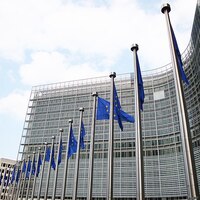


NEW DELHI/BRUSSELS: India is set to make its boldest move yet to open its tightly protected auto market, agreeing to sharply cut import tariffs on cars from the European Union as part of a long-awaited free trade agreement nearing completion, according to sources familiar with the talks.
India plans to reduce tariffs on EU-imported cars to 40 percent from levels as high as 110 percent, the sources said, in a move expected to significantly improve market access for European automakers as New Delhi and Brussels close in on a landmark trade pact that could be announced as early as January 27.
Prime Minister Narendra Modi's government has agreed to immediately lower duties on a limited number of cars from the 27-nation bloc priced above 15,000 euros (US$17,739), two sources briefed on the negotiations told Reuters. Over time, the tariff will be further reduced to 10 percent, they added.
The move would ease entry into India's market for European carmakers, including Volkswagen, Mercedes-Benz, and BMW.
The sources declined to be identified because the negotiations are confidential and could still change. India's commerce ministry and the European Commission declined to comment.
Pact already dubbed ‘mother of all deals'
India and the EU are expected to announce this week the conclusion of years-long negotiations on the free trade pact, after which the agreement will be finalised and ratified. The deal has already been dubbed "the mother of all deals."
The pact could significantly expand bilateral trade and boost Indian exports, such as textiles and jewellery, which have been hit by a 50 percent U.S. tariff since late August.
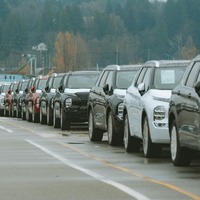
India is the world's third-largest car market by sales after the United States and China, but it remains one of the most protected. Import duties currently range from 70 percent to 110 percent, a policy often criticised by executives, including Elon Musk.
New Delhi has proposed cutting import duties immediately to 40 percent for about 200,000 combustion-engine cars annually, one source said, marking its most aggressive liberalisation of the sector to date. That quota could still be adjusted, the source added.
Battery electric vehicles will be excluded from duty cuts for the first five years to protect investments by domestic manufacturers such as Mahindra & Mahindra and Tata Motors, the sources said. After that period, EVs would be subject to similar tariff reductions.
Market currently dominated by Suzuki and local makers
Lower tariffs would benefit European manufacturers, including Renault and Stellantis, as well as luxury brands Mercedes-Benz and BMW, which already manufacture locally but have struggled to expand sales, in part due to steep import taxes.
Reduced duties would allow carmakers to sell imported models at more competitive prices and test consumer demand with a broader range of vehicles before committing to additional local manufacturing, one of the sources said.
European automakers currently account for less than four percent of India's 4.4-million-unit annual car market, which is dominated by Suzuki Motor and Indian brands Mahindra and Tata, which together control about two-thirds of sales.
With India's car market expected to grow to around 6 million units annually by 2030, some manufacturers are already positioning for expansion. Renault is returning to India with a revamped strategy as it looks beyond Europe for growth, while Volkswagen Group is finalising its next phase of investment in the country through its Skoda brand.