

A major transmission line bringing hydropower from Quebec to New England is coming online after nearly a decade of delays.
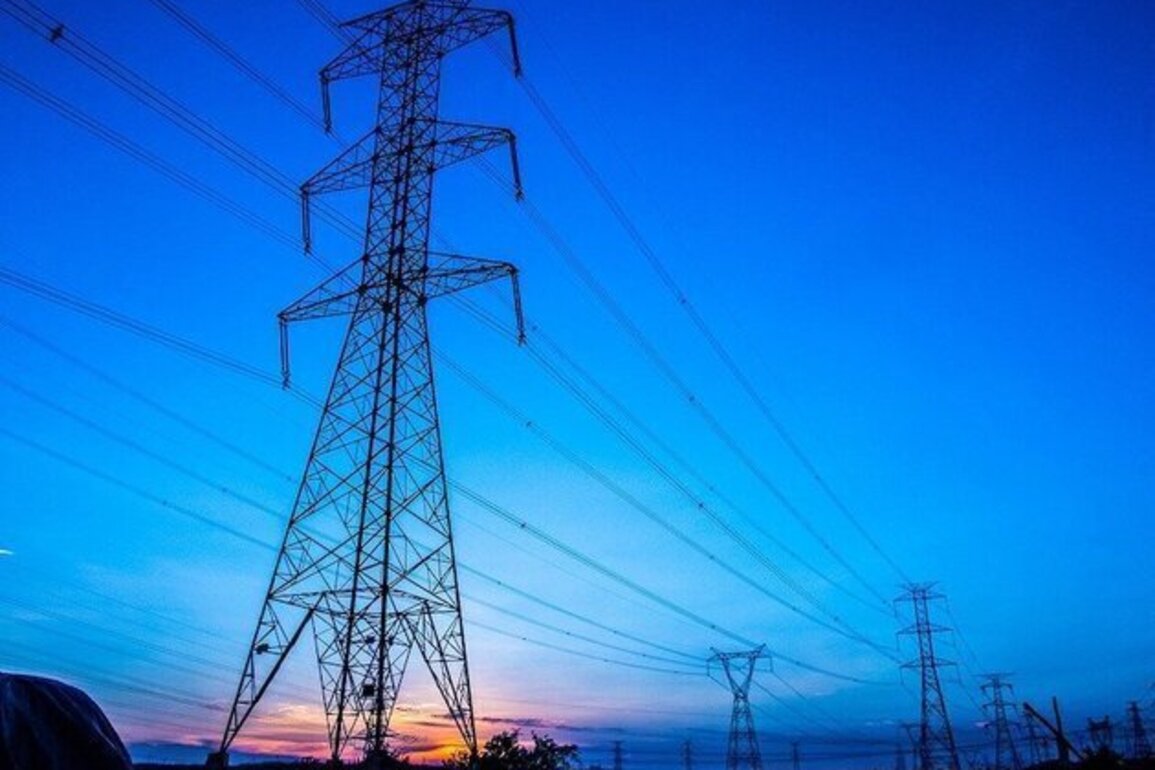
The $1-billion New England Clean Energy Connect (NECEC) transmission project, developed by Spanish energy company Avangrid, is up and running as of last week. The project includes 145 miles of new high-voltage direct current (HVDC) transmission from the Maine-Quebec border to a converter station in Lewiston, Maine, where it can interconnect with the New England grid.
The project was commissioned by the state of Massachusetts following a 2016 law that called for the state to procure 1.2 gigawatts of Canadian hydropower or other renewables, and 1.6 gigawatts of offshore wind energy.
WBUR reports that NECEC will be capable of delivering the full 1.2 GW, enough power to satisfy about 20% of Massachusetts' total electricity needs.
Phelps Turner, director of clean grid for the Conservation Law Foundation, said bringing the project into operation "is a significant moment for clean energy in New England."
Proponents have said the project will benefit ratepayers by providing stability against fluctuating power costs driven by global fossil fuel markets, save an average Massachusetts residential customer $18 to $20 per year, and help the state reach its goal of net-zero emissions by 2050, reports Canary Media.
But the project's planned construction through forest land also generated significant opposition that delayed the project and forced developers to replan the route from its original conception. In an article published by Politico, adapted from the book Why Nothing Works: Who Killed Progress-and How to Bring It Back, author Marc J. Dunkelman documents the citizen campaigns that delayed the project so long. He reports:
A planned route through New Hampshire's White Mountains was shut down in 2018.
After that, a new plan to chart the line through Maine was opposed by conservation groups opposed to the NECEC's path through the state's wilderness.
The groups aligned with fossil fuel-burning energy companies to carry out a campaign to "Stop the Corridor", aiming to block the project by derailing the permitting process.
The anti-corridor campaign was even backed by the environmentally focused clothing company Patagonia, which encouraged its customers to sign a petition opposing approval.
In 2021, construction of NECEC was stopped after Maine residents voted against the project.
In both Maine and New Hampshire, the NECEC drew resentment as a project that would affect the environment in those states in order to feed power consumption in Massachusetts.
The Maine route did eventually win out in a 2023 ruling by the Maine Supreme Court, but the costs had by then ballooned beyond the original price tag. So the developer, state regulators, and utilities had to come to an agreement on how to cover that cost before it could deliver power. Last year, they settled on a price of about $521 million-for which taxpayers are still on the hook, but which is still supposed to save them some money in the long run, Canary Media says.
In his Politico article, Dunkelman says the NECEC transmission line's much-delayed approval process holds lessons for the energy transition. While NECEC was only one project and does not bear the weight of singly determining the U.S.'s efforts to address climate change, the challenges that delayed it will likely crop up with other major projects, too.
While some of the opposition was "self-motivated", some of the concerns were legitimate, Dunkleman notes.
"The system's inability to metabolize objections, let alone come to an expeditious decision on whether to build the new line, poses what is perhaps the most important cut against efforts to stem climate change," he says. "Even if we have the will to overcome our addiction to fossil fuels, is there actually a way?"
Source: The Energy Mix