

NATO defence ministers meet Wednesday in Brussels to confront growing fears that Russia is testing the alliance's resolve with escalating airspace violations and drone incursions. Ministers will also seek to bolster Ukraine's efforts to counter Russian attacks as Washington mulls the supply of longer-range Tomahawk missiles to Kyiv.
NATOdefence ministers will look Wednesday at shoring up the alliance's ability to counter Russian air incursions, as fears grow that Moscow is testing the West in a grey zone between war and peace.
Focus will also be on bolstering support forUkraineas US Defense Secretary Pete Hegseth joins his 31 NATO counterparts with his boss, PresidentDonald Trump, mulling the supply of long-range missiles to Kyiv.
The gathering inBrusselscomes afterMoscowrattled NATO with a series ofhigh-profile airspace violations in PolandandEstoniathat fuelled fears of conflict spilling over its border.
Read more'Drone wall': Can Europe shield itself from Russian threats?
Those were followed up by a spate of mysterious drones that disrupted airports and flew close to military sites in a string of countries.
All this has added fuel to concerns that Russia is pushing the boundaries and seeking to probe NATO's reaction.
"In more and more ways, we are in a long-term and intensified conflict with Russia," a Western official said.
NATO ministers are set to train their sights on efforts to plug gaps in the alliance's eastern flank after it had to use costly missiles to down Russian drones in Poland.
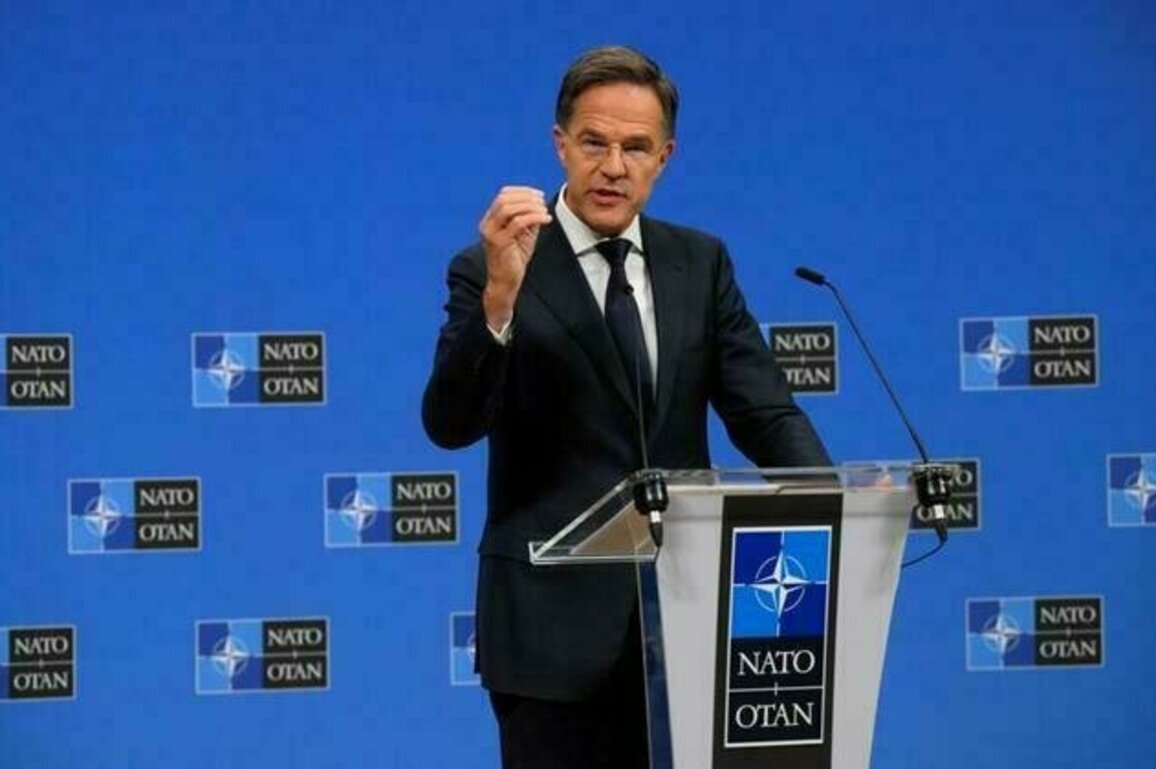
"We are doing what we trained for, and it works, but we need to do more," NATO Secretary GeneralMark Ruttesaid.
NATO has launched a new mission and beefed up its forces in the wake of the incidents, but some countries close to Russia are asking for a more robust response.
Diplomats say the alliance is looking to fine tune its rules of engagement for dealing with Russian incursions and iron out different approaches between member states.
NATO is at the same time seeking to speed up work on better developing anti-drone capabilities and incorporating the sort of low-cost technology Ukraine is using into its own defences.
EU eyes 'drone wall'
The EU, which will convene its own meeting of defence ministers on Wednesday evening, has proposed creating a "drone wall" to try to tackle the menace.
But there is some scepticism from countries like Germany over the proposal and fears that the 27-nation bloc could be treading on NATO's toes.
The drone initiative is one of a number of flagship projects the EU is focusing on as part of a broad push to prepare the bloc for potential conflict with Moscow in the coming years.
The EU will present a road map on its plans to ministers and hopes to get sign off on it at a summit of leaders next week.
Hegseth, who delivered a blistering jolt to NATO on his first visit in February, is meanwhile expected to tell allies to start making good on a vow to ramp up defence spending.
NATO members agreed at their Hague summit in June to reach 3.5 percent of GDP on core military spending by 2035.
Tomahawks for Ukraine?
While NATO looks to address threats to the alliance it will also seek to bolster Ukraine's efforts to counter Russian attacks.
Washington has shifted closer to Kyiv as Trump has lost patience with Russian leader Vladimir Putin for stalling onpeaceefforts.
Hegseth is set to press allies to cough up more money for an initiative from Trump for Europe to pay for US weapons for Kyiv.
So far deals worth around two billion euros ($2.3 billion) have been agreed, and Washington and Kyiv want countries such as Britain, France, Spain and Italy to open their wallets too.
"This program is vital, and allies must step up and contribute now to put the pressure on Russia to come to the negotiating table," US ambassador to NATO Matthew Whitaker said.
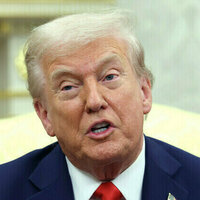
Trump is currently weighing whether to let Ukraine have longer-range Tomahawk missiles and is set to meet with Ukraine's PresidentVolodymyr Zelenskyon Friday.
The Kremlin has warned Washington against the move, but Trump may be willing to let Kyiv hit far inside Russia to pressure Putin towards peace.
"The possibility of deep strikes could change Putin's calculation as well, and would put a lot of things at risk, including significant energy infrastructure inside Russia," Whitaker said.
(FRANCE 24 with AFP)
Originally published on France24