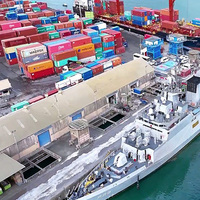



First proposed in 1999,the dealwipes out billions of euros of tariffs on trade between the EU and Argentina, Brazil, Paraguay and Uruguay.
European Commission PresidentUrsula von der Leyensigned the agreement on Saturday in the Paraguayan capital Asuncion, after a majority of EU statesgave the green lightlast week.
France,Austria, Hungary, Ireland and Poland voted against it.
Paris has already made clear it is not dropping its opposition to the deal, which it fears will allowcheaper South American food to flood into Europe and undercut French farmers, who have to produce to stricter EU standards.
"The signing of the agreement does not mark the end of the story," PresidentEmmanuel Macronwroteon X last week.
Legal challenge
Two votes are looming in the European Parliament that could still derail the deal.
On 21 January, the 720 MEPs will vote on a resolution calling for the agreement to go before theEuropean Court of Justiceto assess whether it complies with EU law.
In particular, some lawmakers say the deal's "rebalancing mechanism" which allows Mercosur countries to demand changes if future EU policies impact their exports would limit Brussels' ability toset new environmental or public health rules.
If the agreement is referred to the court, implementation could be held up by several months or even years while judges complete their review. And if they rule parts of the deal illegal, parties would have to go back to the negotiating table.
Prime MinisterSbastien Lecornuhas called on French officials to "take up the pilgrim's staff"and persuade MEPs from all sides of the political spectrum to vote for the resolution.
Is France misguided to keep rejecting the EU-Mercosur trade deal?
'Not over yet'
Even if that effort fails, the Parliament must still approve the agreement. A vote is expected to take place sometime between February and May.
In the interim, theEuropean Commissioncould push to apply the deal on a provisional basis though that move would risk angering France and other opponents.
The ballot is likely to be tight. "A majority in favour of Mercosur is far from assured," one ecologist MEPtold RFI,speaking anonymously.
He said he was counting on lawmakers from countries that backed the deal last week such as Spain and Italy to vote against their governments' official position.
"The game is not over yet," another French MEP said. "There are very strong divisions."
Outside the European Parliament, the national parliaments of all EU and Mercosur members must also ratify the deal a process that can prove lengthy.
Another free trade agreement signed in 2016 between the EU and Canadais still awaiting ratification by 10 member states, a decade later. A delay does not necessarily stop an agreement entering into force, however; the Canada deal has been in effect provisionally since 2017.
Originally published on RFI